How THC Actually Interacts With the Brain
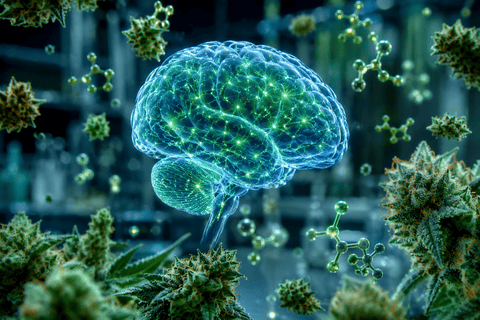
THC is one of the most talked-about parts of weed. Many people know THC is what makes people feel “high,” but not everyone understands how it works inside the brain. Scientists have spent years studying THC and learning how it affects mood, memory, sleep, hunger, and more.
Today, more people are searching for answers about how THC actually interacts with the brain, especially as weed products become more popular in 2026. This article will explain the science in a simple way that is easy to understand.
Did you know that you can buy cannabis products online at Medicineman’s Dispensary. They do not sell Delta-8 or related items. They sell real cannabis with real THC! They also sell vapes, concentrates and other cannabis related products.
What Is THC?
THC stands for tetrahydrocannabinol. It is the main psychoactive compound found in weed. “Psychoactive” means it changes the way the brain and body feel.
When someone smokes, vapes, or eats weed products with THC, the THC enters the bloodstream and travels to the brain. Once it reaches the brain, it begins interacting with special receptors.
This is the beginning of how THC interacts with the brain.
The Brain Has a Special System for THC
One of the most interesting facts about weed science is that the human body already has a system built to work with compounds like THC. This system is called the endocannabinoid system.
The endocannabinoid system helps control things like:
- Mood
- Memory
- Appetite
- Sleep
- Stress
- Pain
- Relaxation
The body naturally makes chemicals called endocannabinoids. These chemicals help keep the body balanced.
THC from weed looks very similar to these natural chemicals. Because of this, THC can connect to the same receptors in the brain.
That is a big part of how THC actually interacts with the brain.
What Are CB1 Receptors?
The brain contains many receptors called CB1 receptors. These receptors are found in areas connected to emotions, memory, movement, pleasure, and thinking.
When THC enters the brain, it attaches to CB1 receptors like a key fitting into a lock.
This can change how brain cells send messages to each other.
Scientists say this is one reason weed can create feelings like:
- Happiness
- Calmness
- Relaxation
- Euphoria
- Sleepiness
- Creativity
But THC can also cause side effects in some people, including:
- Anxiety
- Confusion
- Short-term memory problems
- Faster heartbeat
- Dry mouth
The effects depend on many things, including the amount of THC, the person’s body, and the type of weed product used.
Why THC Changes Mood
Many people use weed because it can help them feel relaxed or happy. THC affects brain chemicals linked to pleasure and reward.
One important chemical is dopamine.
Dopamine is often called the “feel-good” chemical. THC can increase dopamine activity in certain parts of the brain. This can create feelings of excitement or happiness.
That is one reason people often feel uplifted after using weed.
Scientists studying how THC interacts with the brain continue learning more about how dopamine and THC work together.
How THC Affects Memory
THC can affect short-term memory. This happens because CB1 receptors are found in a part of the brain called the hippocampus.
The hippocampus helps create and organize memories.
When THC attaches to receptors in this area, it can make it harder for the brain to store new information for a short time.
This is why someone using weed may forget:
- Where they put something
- What they were talking about
- What they planned to do next
Most of these effects wear off as the THC leaves the body.
THC and the Feeling of Time
Have you ever heard someone say time feels slower after using weed?
That happens because THC can affect how the brain processes time and sensory information.
Some people feel like music sounds deeper or movies seem more exciting. Others feel like time moves very slowly.
Scientists believe this happens because THC changes communication between different brain regions.
This is another example of how THC actually interacts with the brain in unique ways.
Why Weed Can Increase Hunger
Many people know about “the munchies.”
THC affects parts of the brain connected to appetite and smell. Food may smell stronger and taste better after using weed.
THC may also increase hunger hormones.
This is why some medical weed patients use THC products to help with appetite problems.
THC and Sleep
Some people use weed products to relax before bed.
THC may help certain people fall asleep faster because it can create calming effects in the brain.
Scientists are still researching how THC affects sleep quality over time. Some studies suggest THC may reduce dreaming by changing REM sleep patterns.
Different weed strains and THC levels may affect sleep differently.
Why THC Feels Different for Everyone
Not every person reacts to THC the same way.
Many factors can change the experience, including:
- Body size
- Tolerance
- Mood
- THC percentage
- Terpene profile
- Method of use
- Experience level
Some people feel energized from weed, while others feel sleepy.
Scientists now believe cannabinoids and terpenes work together to shape the overall experience.
This is sometimes called the entourage effect.
Smoking vs Edibles
The way THC enters the body changes how it affects the brain.
Smoking or Vaping
When THC is inhaled:
- Effects happen quickly
- The high may feel stronger at first
- Effects usually wear off faster
Edibles
When THC is eaten:
- Effects take longer to begin
- The liver changes THC into another compound
- The high may feel stronger and last longer
This is why edibles can sometimes surprise inexperienced users.
Understanding how THC interacts with the brain can help people make safer choices with weed products.
Can THC Affect Young Brains?
Scientists are especially careful when studying THC and younger people.
The brain continues developing into the mid-20s. Because THC affects memory, attention, and learning areas, researchers are still studying how heavy use may affect developing brains over time.
This is why many experts recommend responsible and informed weed use.
Did you know that you can buy cannabis products online at Medicineman’s Dispensary. They do not sell Delta-8 or related items. They sell real cannabis with real THC! They also sell vapes, concentrates and other cannabis related products.
Medical Research on THC
Researchers continue studying THC for possible medical uses.
Some studies are exploring THC and weed products for:
- Pain management
- Sleep support
- Appetite support
- Nausea relief
- Stress reduction
Scientists are still learning how THC affects the brain long-term. Research continues growing every year as weed laws change around the world.
The Future of THC Science
In 2026, THC science is moving fast.
Researchers now study:
- Minor cannabinoids
- Brain imaging
- Personalized weed products
- Terpene effects
- THC tolerance
- Fast-acting THC drinks
- New delivery systems
As research grows, people are learning more about how THC actually interacts with the brain and why different weed products create different experiences.
Final Thoughts
THC works by interacting with the body’s endocannabinoid system and attaching to CB1 receptors in the brain. This can affect mood, memory, appetite, sleep, and perception.
Scientists continue discovering new information about THC and weed every year. While THC can create relaxing and enjoyable effects for many people, it can also affect people differently depending on the dose and the individual.
Learning the science behind weed helps people better understand what happens inside the brain after using THC products.
As weed research continues in 2026, the understanding of THC and the brain will likely keep growing.
SEO Phrases
- How THC Actually Interacts With the Brain
- THC and the brain
- how THC works
- weed and brain science
- THC effects on the brain
- endocannabinoid system explained
- THC receptors in the brain
- CB1 receptors and THC
- how weed affects memory
- weed and dopamine
- THC and appetite
- weed and sleep
- THC science 2026
- cannabis brain research
- weed effects on the body
- THC explained simply
- how weed makes you feel high
- THC and brain chemistry
- how cannabinoids work
- THC research and studies