How Prohibition Changed Weed Culture Forever
Weed culture has changed a lot over the years. Long ago, cannabis was used openly for medicine, hemp farming, and everyday products. But during the 1900s, prohibition laws changed how people viewed weed forever.
When governments banned cannabis, weed culture moved underground. This created secret growing operations, hidden communities, and a rebellious image that still affects weed culture today.
The history of weed prohibition is one of the biggest reasons modern cannabis culture looks the way it does now.
Did you know that you can buy cannabis products online at Medicineman’s Dispensary. They do not sell Delta-8 or related items. They sell real cannabis with real THC! They also sell vapes, concentrates and other cannabis related products.
What Was Weed Prohibition?
Weed prohibition was when governments created laws making cannabis illegal.
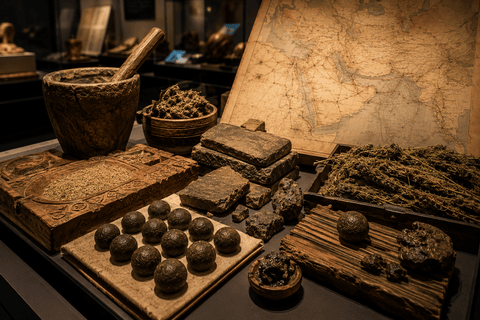
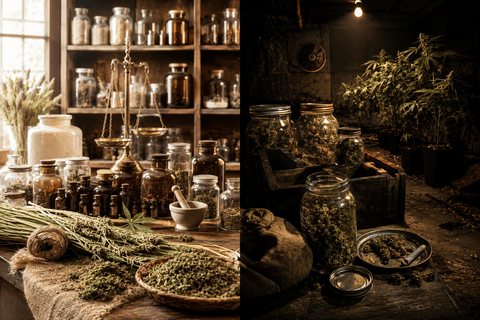
Before prohibition, weed products were often sold in pharmacies and used in medicine.
But during the early 1900s, many politicians and media groups began spreading fear about cannabis.
This eventually led to strict laws banning weed in many places.
Cannabis Before Prohibition
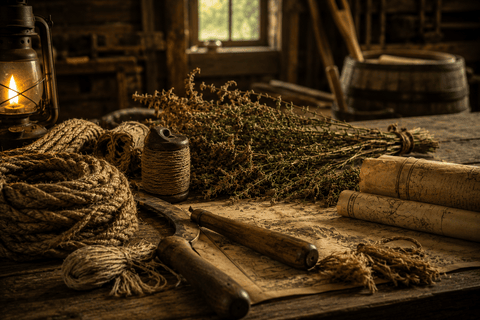
Before prohibition, cannabis was used for:
- Medicine
- Hemp farming
- Rope and textiles
- Paper
- Herbal remedies
Doctors sometimes prescribed cannabis products to patients.
Many people viewed weed as just another useful plant.
The Rise of Anti-Weed Campaigns
In the 1930s, anti-cannabis campaigns became very common in America.
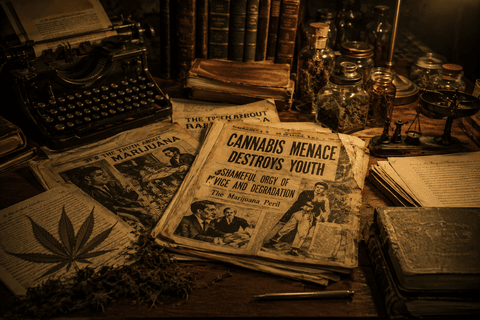
Movies, newspapers, and advertisements warned people that weed was dangerous.
These campaigns often used exaggerated stories and fear to influence the public.
One famous anti-weed movie was Reefer Madness.
The movie portrayed cannabis in an extremely negative and unrealistic way.
The Marijuana Tax Act of 1937
One major event in weed prohibition history was the Marijuana Tax Act of 1937.
This law heavily restricted cannabis sales and possession in the United States.
After the law passed:
- Medical cannabis became harder to get
- Hemp farming declined
- Weed products disappeared from pharmacies
This changed cannabis culture dramatically.
Weed Culture Moves Underground
As cannabis became illegal, weed culture became secretive.
People who still used or grew weed had to hide their activities.
This created underground weed communities.
Secret cannabis culture included:
- Hidden grow operations
- Underground smoking groups
- Illegal trade networks
- Private social circles
Weed became connected with rebellion and counterculture.
The Connection to Music and Art
During prohibition, weed culture became strongly connected to music and art.
Jazz musicians, artists, and creative groups often used cannabis socially.
Later, weed became tied to:
- Rock music
- Hippie culture
- Reggae music
- Underground art scenes
Cannabis became a symbol of freedom and nonconformity.
The Hippie Movement and Weed
In the 1960s and 1970s, the hippie movement helped shape modern weed culture.
Many young people protested against strict laws and government control.
Weed became connected to:
- Peace movements
- Music festivals
- Counterculture lifestyles
- Social rebellion
This period strongly influenced how people still view cannabis today.
Why Weed Got a “Rebellious” Image
Because cannabis was illegal, using weed became seen as rebellious behavior.
People often associated weed with:
- Breaking rules
- Underground culture
- Anti-establishment ideas
- Freedom movements
This image became part of movies, music, and pop culture for decades.
Prohibition and Illegal Markets
Prohibition also created illegal weed markets.
Since cannabis could not be sold legally, underground dealers and secret operations became common.
This caused many problems, including:
- Unsafe products
- Lack of regulation
- Criminal activity
- Unregulated growing conditions
Many people today believe prohibition made weed culture more dangerous than necessary.
Hemp Farming Declined
Cannabis prohibition also hurt hemp farming.
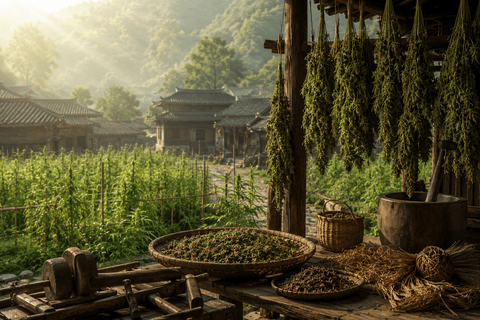
For many years, hemp had been used for:
- Rope
- Clothing
- Paper
- Industrial materials
But strict cannabis laws made hemp farming difficult too, even though hemp contains very little THC.
This caused America’s hemp industry to shrink for many decades.
Weed Culture in Movies and Media
Movies and television helped shape weed culture during prohibition.
Cannabis users were often shown as:
- Criminals
- Rebels
- Lazy people
- Outcasts
Over time, some movies began portraying weed culture in a more humorous or relaxed way.
Still, prohibition strongly affected how media portrayed cannabis.
The War on Drugs
In the 1970s and 1980s, anti-drug campaigns became even stronger.
The “War on Drugs” increased penalties for cannabis possession and sales.
This period led to:
- More arrests
- Harsher punishments
- Stronger stigma around weed
Many people believe these policies deeply shaped modern cannabis culture.
Did you know that you can buy cannabis products online at Medicineman’s Dispensary. They do not sell Delta-8 or related items. They sell real cannabis with real THC! They also sell vapes, concentrates and other cannabis related products.
Weed Culture Became a Community
Because cannabis users often faced legal risks, weed culture developed strong communities.
People bonded over:
- Shared interests
- Secret social groups
- Music and art
- Cannabis activism
This helped create the close-knit weed communities that still exist today.
Legalization Changes Weed Culture Again
Today, cannabis legalization is changing weed culture once more.
Modern weed culture now includes:
- Legal dispensaries
- Cannabis brands
- Lab testing
- Medical products
- Luxury weed products
Weed is becoming more mainstream in many places.
From Underground to Mainstream
For decades, weed culture stayed hidden because of prohibition.
Now many people openly discuss cannabis, including:
- Medical patients
- Business owners
- Scientists
- Wellness communities
Modern weed culture is very different from the secret underground culture of the past.
Prohibition Still Influences Weed Culture
Even though legalization is growing, prohibition still affects cannabis culture today.
Many parts of modern weed culture came from prohibition-era history, including:
- Secret grow culture
- Cannabis slang
- Counterculture symbolism
- Activism movements
The effects of prohibition are still visible in music, movies, fashion, and social attitudes.
What We Can Learn From Weed Prohibition
The history of cannabis prohibition shows how laws can shape culture.
When cannabis became illegal:
- Weed culture became underground
- Public opinions changed
- Cannabis became linked to rebellion
Today, legalization is slowly changing those ideas again.
Final Thoughts
Weed prohibition changed cannabis culture forever. Before prohibition, cannabis was used openly for medicine and hemp products. But once governments banned weed, cannabis culture moved underground and became connected to rebellion, music, art, and activism.
The prohibition era helped create many parts of modern weed culture, from secret grow operations to counterculture symbolism.
As legalization continues spreading, cannabis culture is changing once again. But the effects of prohibition still shape how many people view weed today.
SEO Phrases
- How Prohibition Changed Weed Culture Forever
- weed prohibition history
- cannabis prohibition explained
- history of weed culture
- marijuana tax act 1937
- Reefer Madness history
- underground weed culture
- cannabis counterculture history
- weed and hippie culture
- War on Drugs cannabis
- cannabis legalization history
- weed activism history
- cannabis prohibition effects
- hemp prohibition history
- secret weed culture
- cannabis in music culture
- weed rebellion history
- cannabis underground movement
- prohibition and cannabis culture
- weed history America
- anti-cannabis campaigns
- cannabis stigma history
- weed culture evolution
- modern cannabis culture
- prohibition era weed
- history of marijuana laws
- cannabis cultural history
- weed legalization movement
- hidden cannabis communities
- cannabis prohibition timeline