How Scientists Measure Cannabis Potency in 2026
Weed products are stronger and more advanced than ever before. In 2026, scientists use modern technology to measure THC, CBD, terpenes, and many other compounds found in weed.
When people shop for flower, edibles, concentrates, or vape products, they often look at potency numbers on the label. But many people still wonder how those numbers are tested and measured.
This article will explain How Scientists Measure Cannabis Potency in 2026 in a simple and easy-to-understand way.
Did you know that you can buy cannabis products online at Medicineman’s Dispensary. They do not sell Delta-8 or related items. They sell real cannabis with real THC! They also sell vapes, concentrates and other cannabis related products.
What Does Cannabis Potency Mean?
Potency means how strong a weed product is.
Scientists usually measure potency by checking the amount of cannabinoids inside the plant or product.
The most common cannabinoids tested are:
- THC
- THCA
- CBD
- CBG
- CBN
THC is the main compound responsible for the “high” feeling many people experience from weed.
Higher THC levels often mean stronger psychoactive effects.
Why Potency Testing Matters
Potency testing helps consumers know what they are buying.
Testing can help people:
- Compare products
- Choose proper doses
- Understand effects
- Shop more safely
- Avoid mislabeled products
Dispensaries and weed brands now rely heavily on lab testing in 2026.
Modern weed shoppers care about potency more than ever before.
How Scientists Test Weed
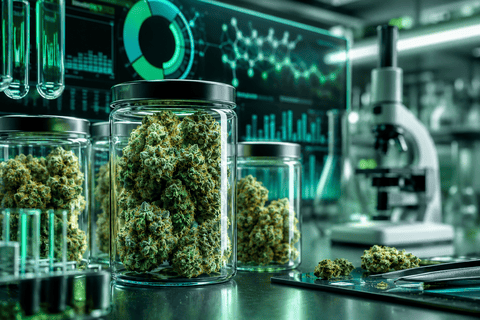
Scientists use special machines and laboratory equipment to study weed samples.
The most common testing methods include:
- High-performance liquid chromatography (HPLC)
- Gas chromatography (GC)
- Mass spectrometry
- Moisture testing
- Terpene analysis
These machines can measure tiny amounts of cannabinoids very accurately.
What Is HPLC?
One of the most important tools in modern weed science is called HPLC.
HPLC stands for High-Performance Liquid Chromatography.
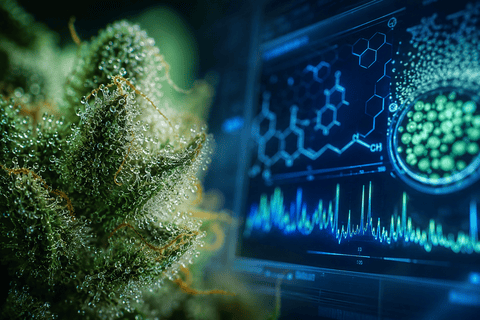
Scientists use HPLC to separate and measure cannabinoids inside weed flower and products.
This method is very popular because it can measure THCA and THC separately.
That matters because fresh weed flower mostly contains THCA before heating.
THCA vs THC
Many people are surprised to learn that raw weed flower usually contains more THCA than THC.
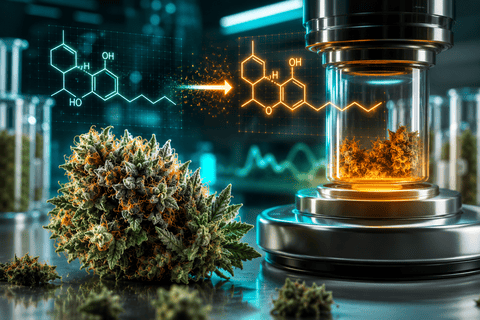
THCA is the acidic form of THC.
When weed is heated by:
- Smoking
- Vaping
- Cooking
the THCA changes into THC through a process called decarboxylation.
Scientists measure both THCA and THC to estimate total potency.
Total THC Explained
Most modern weed labels now show “Total THC.”
Scientists calculate total THC using formulas that estimate how much THCA converts into THC after heating.
This gives consumers a better idea of how strong the weed product may feel.
Many dispensaries now display:
- Total THC
- Total cannabinoids
- Terpene percentages
- CBD levels
on product packaging.
Why Two Strains With the Same THC Feel Different
In 2026, scientists know THC percentage is not the whole story anymore.
Two weed strains with the same THC level can still feel very different.
This happens because other compounds also matter, including:
- Terpenes
- Minor cannabinoids
- Flavonoids
Researchers now study how these compounds work together inside the body.
This is often called the entourage effect.
Measuring Terpenes
Terpenes are the compounds responsible for weed aroma and flavor.
Scientists now test terpene levels almost as carefully as THC.
Popular terpenes include:
- Myrcene
- Limonene
- Caryophyllene
- Pinene
- Linalool
These compounds may influence relaxation, energy, mood, and flavor.
Many weed shoppers now choose products based on terpene profiles instead of THC alone.
Testing Weed Concentrates
Concentrates usually contain much higher cannabinoid levels than flower.
Scientists carefully test products like:
- Wax
- Rosin
- Shatter
- Live resin
- Distillate
Some concentrates can test above 80% THC.
Because concentrates are very strong, accurate potency testing is especially important.
How Edibles Are Tested
Edibles are tested differently from flower.
Scientists measure how much THC is inside each serving.
For example:
- Gummies
- Chocolates
- Drinks
- Baked goods
must be tested carefully so doses stay consistent.
In legal weed markets, many products are limited to certain THC amounts per serving.
Why Moisture Matters
Moisture content can affect potency results.
If weed flower is too wet, potency percentages may appear lower.
If flower is too dry, results may appear higher.
Modern weed labs now carefully measure moisture levels during testing.
This helps improve accuracy.
Can Potency Numbers Be Wrong?
Sometimes potency numbers can vary between labs.
Different testing methods, machines, and sample handling may create slightly different results.
This is why scientists continue working on better testing standards in 2026.
Many legal markets now require licensed laboratories to follow strict rules.
Why Some Weed Looks Stronger Than It Tests
Appearance does not always match potency.
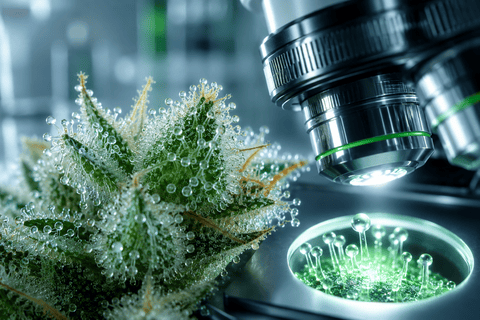
A frosty weed bud covered in trichomes may look extremely powerful, but lab results could show moderate THC levels.
At the same time, some flower with average appearance may test surprisingly high.
Scientists now remind consumers that potency is only one part of weed quality.
What Scientists Are Studying Next
Weed science keeps changing quickly.
Researchers are now studying:
- Minor cannabinoids
- Personalized weed effects
- Fast-acting THC products
- Brain chemistry
- Terpene interactions
- Genetics and potency
- Long-term tolerance
Future testing may become even more advanced as weed technology grows.
Did you know that you can buy cannabis products online at Medicineman’s Dispensary. They do not sell Delta-8 or related items. They sell real cannabis with real THC! They also sell vapes, concentrates and other cannabis related products.
Why Lab Testing Is Important for Safety
Potency testing is only one part of weed lab science.
Many labs also check for:
- Mold
- Heavy metals
- Pesticides
- Bacteria
- Residual solvents
This helps make legal weed products safer for consumers.
Modern testing standards are much stronger in 2026 than they were years ago.
Final Thoughts
Scientists use advanced laboratory technology to measure weed potency in 2026. Modern testing can measure THC, THCA, CBD, terpenes, and many other compounds found in weed products.
Today’s weed science goes far beyond simply checking THC percentage. Researchers now understand that terpenes, cannabinoids, and many other compounds work together to shape the overall experience.
As the weed industry continues growing, potency testing will likely become even more accurate and advanced in the future.
SEO Phrases
- How Scientists Measure Cannabis Potency in 2026
- weed potency testing explained
- THC testing in 2026
- cannabis lab testing
- how weed potency is measured
- THC percentage explained
- THCA vs THC testing
- total THC explained
- terpene testing weed
- weed science 2026
- cannabis potency labs
- how dispensaries test weed
- modern weed testing
- cannabis chromatography explained
- HPLC cannabis testing
- measuring THC in weed
- weed concentrate potency
- edible THC testing
- legal weed lab testing
- cannabis quality testing