THCA vs THC: What Really Happens During Decarboxylation?
Many weed shoppers today see labels showing THCA and THC, but not everyone knows the difference between them. At first glance, these two compounds may seem almost identical. However, they behave very differently inside the plant and inside the body.
One of the most important processes in modern weed science is called decarboxylation. This process changes THCA into THC through heat.
Understanding decarboxylation helps explain:
- Why raw weed does not always feel psychoactive
- Why smoking and vaping change weed effects
- How edibles work
- Why THCA flower became so popular
In this article, we will explain THCA vs THC and what really happens during decarboxylation in simple terms.
Did you know that you can buy cannabis products online at Medicineman’s Dispensary. They do not sell Delta-8 or related items. They sell real cannabis with real THC! They also sell vapes, concentrates and other cannabis related products.
What Is THCA?
THCA stands for tetrahydrocannabinolic acid.
THCA is the natural form of THC found in fresh weed plants before heating.
When weed is growing naturally, most of the THC inside the plant actually starts as THCA.
Fresh weed flower contains large amounts of THCA, not activated THC.
THCA itself does not usually create the strong “high” feeling people connect with weed.
What Is THC?
THC stands for tetrahydrocannabinol.
THC is the activated cannabinoid responsible for the psychoactive effects many people feel when smoking or vaping weed.
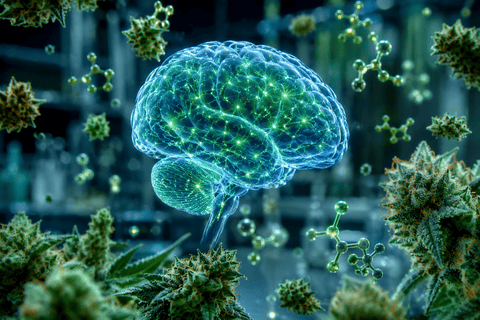
THC interacts with receptors in the body and brain, creating effects like:
- Relaxation
- Euphoria
- Altered perception
- Increased appetite
- Sleepiness
But THC usually forms only after THCA goes through heat.
What Is Decarboxylation?
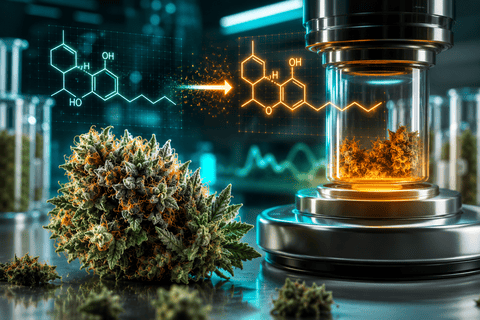
Decarboxylation is the scientific process that changes THCA into THC.
This happens when heat removes a small chemical group from the THCA molecule.
Once heated, THCA transforms into active THC.
This process happens during:
- Smoking
- Vaping
- Dabbing
- Cooking edibles
- Baking weed products
Without decarboxylation, weed may not create the same psychoactive effects.
Why Heat Changes Weed
Heat acts like a switch that activates cannabinoids.
Fresh raw weed may contain very high THCA percentages, but much lower active THC levels.
When weed is heated:
- THCA loses part of its chemical structure
- THC becomes activated
- Psychoactive effects become stronger
This is why lighting weed on fire immediately changes how it affects the body.
Smoking Weed and Decarboxylation
When someone smokes weed, the flame instantly heats the flower.
This quickly converts THCA into THC.
As the smoke is inhaled, activated THC enters the body.
This is why smoking weed usually creates fast effects within minutes.
The heat from combustion handles the decarboxylation process automatically.
Vaping Weed and Decarboxylation
Vaping also causes decarboxylation, but usually at lower temperatures than smoking.
Instead of burning the flower, vaporizers heat weed carefully to activate cannabinoids and terpenes.
Many people believe vaping may preserve more terpene flavor because there is less combustion.
The heat still converts THCA into THC during the vaping process.
Why Raw Weed Usually Does Not Feel Strong
Eating raw weed flower without heating it first usually will not create strong psychoactive effects.
That is because most cannabinoids remain in THCA form.
Without decarboxylation:
- THC stays inactive
- Psychoactive effects remain limited
This surprises many people who assume raw weed works the same as smoked weed.
How Edibles Use Decarboxylation
Edibles require decarboxylation before cooking.
Before making weed brownies, gummies, or butter, growers or cooks usually heat the flower first.
This activates the THCA into THC before mixing it into food.
Without this important step, many edibles would feel much weaker.
Decarboxylation is one of the most important parts of making strong weed edibles.
What Temperatures Cause Decarboxylation?
Different temperatures activate cannabinoids at different speeds.
Low heat over longer periods often helps preserve terpenes better.
Very high heat may:
- Burn terpenes
- Damage flavor
- Reduce aroma
- Destroy cannabinoids
Many people try to balance activation with flavor preservation.
This is why precise temperatures matter in weed cooking and vaping.
THCA Flower Explained
THCA flower has become very popular recently.
THCA flower is basically weed flower that contains high THCA levels before activation.
When smoked or heated, the THCA converts into THC.
This means THCA flower may behave very similarly to traditional weed after decarboxylation.
Many modern dispensaries and hemp stores now sell THCA-rich flower products.
Why Lab Results Show THCA and THC Separately
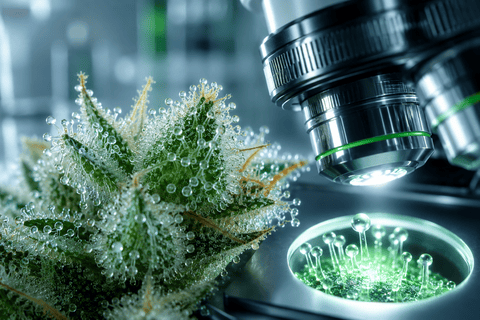
Modern weed lab testing often lists both THCA and THC.
This helps customers understand:
- Raw cannabinoid content
- Potential activated THC levels
- Product potency after heating
Since much of the cannabinoid content exists as THCA before smoking, labs separate the numbers carefully.
This gives a more accurate picture of the product.
Terpenes and Decarboxylation
Terpenes are also affected by heat.
Terpenes create weed flavors and aromas like:
- Citrus
- Pine
- Sweet fruit
- Earthy smells
- Lavender
Too much heat during decarboxylation may reduce terpene quality.
This is why careful heating methods are important for premium weed products.
Many modern vape systems use lower temperatures to help preserve terpene flavor.
Decarboxylation and Concentrates
Concentrates also go through decarboxylation.
Products like:
- Dabs
- Oils
- Vape carts
- Distillates
often involve heating during production.
Some concentrates are already activated before use, while others activate during dabbing or vaping.
The process depends on how the concentrate is made.
Why Decarboxylation Matters in Modern Weed Science
Decarboxylation is one of the most important ideas in modern weed science.
It helps explain:
- Why heat changes weed effects
- Why smoking works quickly
- Why raw flower behaves differently
- Why edibles need preparation
- Why THCA and THC are not identical
Understanding this process helps consumers make smarter choices when buying weed products.
Does Decarboxylation Affect Potency?
Yes, decarboxylation directly affects potency.
Without activation, much of the weed’s psychoactive potential stays locked inside THCA.
Proper heating unlocks the active THC.
However, overheating may reduce potency by damaging cannabinoids.
This is why temperature control matters in:
- Edible production
- Vape devices
- Extraction labs
- Concentrate manufacturing
Did you know that you can buy cannabis products online at Medicineman’s Dispensary. They do not sell Delta-8 or related items. They sell real cannabis with real THC! They also sell vapes, concentrates and other cannabis related products.
The Future of Cannabinoid Science
Scientists are still learning more about THCA and other cannabinoids.
Future research may explore:
- Different activation methods
- Better terpene preservation
- Cannabinoid interactions
- More precise heating systems
- Customized weed products
As weed science improves, cannabinoid processing will likely become even more advanced.
Final Thoughts
THCA and THC are closely connected, but they are not exactly the same. THCA is the natural cannabinoid found in fresh weed plants, while THC forms after heat activates the compound through decarboxylation.
Smoking, vaping, and cooking all use heat to transform THCA into psychoactive THC. This process changes how weed affects the body and explains why raw flower behaves differently from heated weed products.
Modern weed science now pays close attention to decarboxylation because it affects potency, flavor, terpene preservation, and overall product quality.
As the weed industry grows, understanding THCA vs THC will likely become even more important for consumers and growers alike.
SEO Phrases
- THCA vs THC
- What Really Happens During Decarboxylation
- THCA explained
- THC activation process
- weed decarboxylation
- cannabis decarboxylation explained
- THCA flower
- THC vs THCA weed
- decarboxylation weed science
- activated THC
- raw weed vs smoked weed
- weed edibles decarboxylation
- how THCA becomes THC
- THC activation temperature
- cannabis cooking science
- vaping THCA flower
- smoking weed chemistry
- THCA cannabinoid
- THC psychoactive effects
- cannabis heat activation
- weed concentrate decarboxylation
- terpene preservation weed
- modern weed science
- cannabinoid activation
- decarb weed process
- cannabis extraction science
- weed potency science
- THCA lab testing
- THC conversion process
- future cannabis science