
All About Cannabis Clones
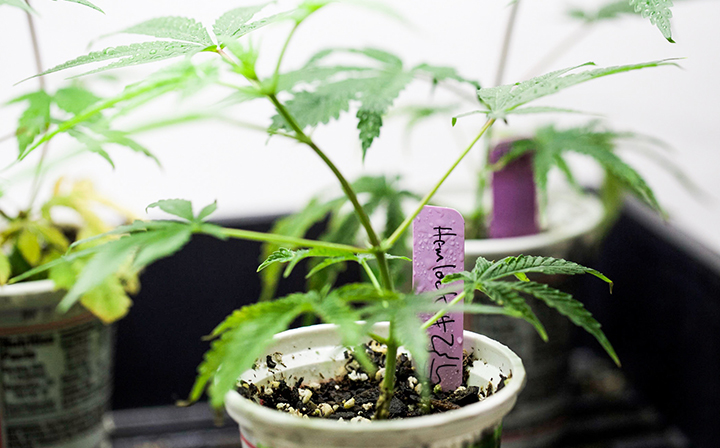
Cannabis clones, also often called cuts or babies are essentially starter plants. A clone is essentially a cutting of an already grown cannabis plant. When done properly, the cutting will eventually grow roots and basically be a genetic replica of the plant it came from. This can obviously be ideal for growing cannabis for numerous reasons. One of the reasons why cannabis clones are relatively popular is because when buying from a reputable source, you know exactly what you’re getting. Due to the genetic diversity of each seed, growing from seed can often end up with a more variable yield. So, if you’re looking for a relatively risk-free yield, getting a clone of a good strain such as girl scout cookies will guarantee good genetics.

Finding good clones in a state where cannabis is illegal can certainly be a challenge. But for those of us living in states where marijuana is legal, many nurseries and dispensaries will carry them. Often times clones found at these stores originated from local cultivars, however, sometimes the cuttings may have been acquired from a third party source. When buying clones, it’s always important to know where they came from, as well as the origin and history of the plant they came from. This is because certain plants may be more prone to different diseases, or may have potentially had pesticides used on them, etc
When buying clones, it’s good to inspect them, while many things will be relatively unperceivable to the naked untrained eye, there are a few things to look out for. Check the stem width, thin stems essentially indicate that the cutting may have been taken from a weaker branch. Cuttings such as these may develop disease easier and their roots have the potential to grow slower. Before buying, make sure to check the clone for pests like fungus gnats and spider mites. While signs of these pests might not be easy to spot, they may have left marks such as webbing or small bite marks on the leaves. Long story short, finding a reputable clone vendor is key.
If you do decide to take a clone home with you, make sure to transfer the clone into a more viable pot with new soil. This is an important step as the old soil could potentially have pests in it, giving the clone fresh untainted soil may reduce any potential root damage. Make sure to keep any new clones quarantined for a minimum of a few days, and some people even recommend quarantining them for up to a week. This essentially ensures that if the clone does happen to have pests or a disease, it won’t compromise your entire grow room.
One advantage of seeds, on the other hand, is that seeds produce a tap root. Whereas clones create only a fibrous root system, meaning they are incapable of creating a tap root. Tap roots essentially give the plants better support and can reach quite deep in the ground to find water and nutrients. For this reason, clones are more often used in indoor growing situations as opposed to outdoor ones.
In conclusion, clones are more consistent in their genetics and harvests, but seeds are much easier to find and are undoubtedly cheaper.