CBD: Hype vs. Science
Here is your SEO-optimized article written at approximately a 5th grade reading level, using “weed” periodically instead of cannabis, and focused heavily on CBD: Hype vs. Science.
CBD: Hype vs. Science
CBD is everywhere.
You see it at gas stations. You see it in health stores. You see it online. Some people even add it to coffee and smoothies.
But here is the big question:
Is CBD really as powerful as people say? Or is it mostly hype?
In this article about CBD: Hype vs. Science, we will break it down in simple terms. We will look at what CBD is, what it does, what science says, and what might just be marketing buzz.
Let’s dive in.
Did you know that you can buy cannabis products online at Medicineman’s Dispensary. They do not sell Delta-8 or related items. They sell real cannabis with real THC! They also sell vapes, concentrates and other cannabis related products.
What Is CBD?
CBD stands for cannabidiol. It is a natural compound that comes from the weed plant.
Weed contains many different compounds called cannabinoids. The two most famous ones are:
-
CBD
-
THC
THC is the part of weed that makes people feel “high.”
CBD does not make you high.
That is one reason why CBD became so popular. People wanted the possible health benefits of weed without the psychoactive effects of THC.
So when people talk about CBD: Hype vs. Science, one big reason for the hype is that CBD sounds safe and non-intoxicating.
Why Did CBD Become So Popular?
CBD exploded in popularity for a few reasons:
-
It does not make you high.
-
It is often marketed as “natural.”
-
It is easy to buy in many states.
-
Social media made it trendy.
You may have seen ads claiming CBD can help with:
-
Anxiety
-
Pain
-
Sleep
-
Inflammation
-
Stress
-
Depression
-
Skin problems
-
Even serious diseases
That is where the big debate starts.
Is CBD really a miracle from weed?
Or are companies stretching the truth?
How CBD Works in the Body
To understand CBD: Hype vs. Science, we need to talk about something called the endocannabinoid system.
This system is inside your body. It helps control things like:
-
Mood
-
Sleep
-
Appetite
-
Pain
-
Immune response
Your body naturally makes chemicals that are similar to the compounds found in weed. These natural chemicals help keep your body balanced.
CBD does not directly “turn on” receptors the way THC does. Instead, CBD seems to help your body use its own natural chemicals better.
Scientists are still studying exactly how this works.
And that right there is important.
When we talk about CBD: Hype vs. Science, we must remember:
Some parts are proven.
Some parts are still being researched.
What Science Says CBD Can Help With
Now let’s look at where science is strong.
1. Epilepsy (Strong Evidence)
CBD has strong scientific support for helping certain rare seizure disorders.
In fact, the FDA approved a prescription CBD medicine called Epidiolex for specific forms of epilepsy.
This is real science.
This is not hype.
So when people ask, “Is CBD legit?” — the answer is yes, at least in this case.
2. Anxiety (Moderate Evidence)
Many people use CBD for anxiety.
Some studies suggest CBD may reduce anxiety in certain situations, like public speaking.
But here is the truth:
-
Most studies are small.
-
Long-term research is still limited.
-
Dosages in studies are often much higher than over-the-counter products.
So under CBD: Hype vs. Science, anxiety relief may be promising, but it is not fully proven yet.
3. Pain and Inflammation (Mixed Evidence)
Many people use CBD oil for pain.
Research suggests CBD may help reduce inflammation. That could explain why it may help with:
-
Arthritis
-
Muscle soreness
-
Chronic pain
However:
-
Results vary.
-
Many studies include THC along with CBD.
-
Human trials are still limited.
So pain relief falls into the “possible but not fully proven” category.
4. Sleep (Unclear Evidence)
Does CBD help with sleep?
Some users say yes. But science is mixed.
CBD may help people sleep if their insomnia is caused by anxiety or pain. But it is not officially approved as a sleep medicine.
In the world of CBD: Hype vs. Science, sleep claims are still developing.
Where the Hype Starts
Now let’s talk about the hype.
CBD is often marketed as if it cures almost everything.
You may see claims that CBD helps:
-
Cancer
-
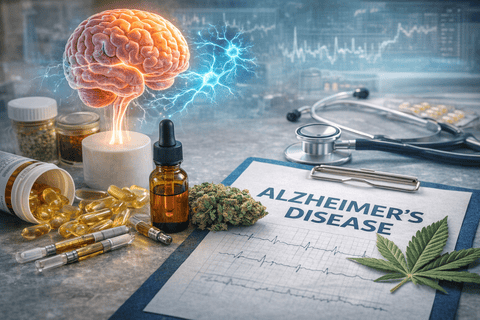
Alzheimer’s
-
Diabetes
-
Heart disease
-
Weight loss
Here is the truth:
There is not enough strong human evidence to support these big claims yet.
Most of those ideas come from:
-
Lab studies
-
Animal studies
-
Early experiments
Lab research is helpful. But it does not always mean the same thing will happen in humans.
This is a key part of understanding CBD: Hype vs. Science.
Did you know that you can buy cannabis products online at Medicineman’s Dispensary. They do not sell Delta-8 or related items. They sell real cannabis with real THC! They also sell vapes, concentrates and other cannabis related products.
The Problem With CBD Products
Another issue is product quality.
CBD products are not regulated the same way prescription drugs are.
That means:
-
Some products contain less CBD than the label says.
-
Some contain more.
-
Some contain unwanted ingredients.
-
Some may contain small amounts of THC.
When people say “CBD did nothing for me,” it might be because:
-
The dose was too low.
-
The product was low quality.
-
It was not tested properly.
This makes studying CBD harder.
Is CBD Safe?
CBD is generally considered safe for most people.
But that does not mean it is risk-free.
Possible side effects may include:
-
Tiredness
-
Diarrhea
-
Changes in appetite
-
Drug interactions
CBD can interact with certain medications. That is important.
If someone is taking:
-
Blood thinners
-
Seizure medications
-
Heart medications
They should talk to a doctor first.
When reviewing CBD: Hype vs. Science, safety is one area where science says CBD is fairly well tolerated, but still needs careful use.
CBD vs. THC
Since CBD comes from weed, people often compare it to THC.
Here is a simple breakdown:
CBD:
-
No high
-
May reduce anxiety
-
May help inflammation
-
Less intoxicating
THC:
-
Causes a high
-
May help pain
-
May increase appetite
-
May cause anxiety in high doses
Some studies suggest CBD may even reduce some negative effects of THC.
This makes CBD attractive for people who want benefits from weed without feeling high.
Why So Many People Believe in CBD
Why does CBD have such strong hype?
There are a few reasons.
1. Personal Stories
A friend says CBD changed their life.
A relative says it cured their pain.
Stories are powerful. But stories are not the same as controlled studies.
2. “Natural” Marketing
Many companies advertise CBD as natural and plant-based.
People often trust plant medicine from weed more than lab-made drugs.
But “natural” does not always mean effective.
3. Wellness Trends
CBD became part of the wellness world.
Yoga studios.
Health blogs.
Influencers.
It became fashionable.
And sometimes trends move faster than science.
The Truth About CBD: Hype vs. Science
So what is the honest answer?
CBD is not magic.
CBD is not fake.
CBD is somewhere in the middle.
Strong science supports it for rare seizure disorders.
Moderate evidence supports it for anxiety and inflammation.
Early research suggests potential for other uses.
But many big claims go beyond what science proves.
That is the honest view of CBD: Hype vs. Science.
How to Be a Smart CBD Consumer
If you are thinking about trying CBD, here are smart steps:
-
Look for third-party lab testing.
-
Start with a low dose.
-
Be patient.
-
Talk to a doctor if you take other medications.
-
Avoid products that promise miracle cures.
CBD may help some people.
It may not help others.
Everyone’s body is different.
The Future of CBD Research
The good news?
More studies are being done.
As weed laws change, scientists can study CBD more easily.
In the next 10–20 years, we will likely have clearer answers about:
-
Long-term safety
-
Exact dosages
-
Best medical uses
-
Drug interactions
CBD research is still growing.
Final Thoughts on CBD: Hype vs. Science
CBD is one of the most talked-about compounds from weed today.
Some of the excitement is real.
Some of it is marketing.
Science supports certain uses.
Science questions others.
Research continues.
When thinking about CBD: Hype vs. Science, remember this simple idea:
Believe evidence.
Be cautious of huge promises.
Stay curious.
CBD is not a miracle cure.
But it is not just hype either.
It is a plant compound with potential — and we are still learning about it.
SEO Phrases for “CBD: Hype vs. Science”
CBD: Hype vs. Science
Is CBD all hype
CBD benefits explained
CBD science research
CBD oil facts
CBD for anxiety research
CBD for pain relief science
Does CBD really work
CBD myths and facts
CBD evidence based
CBD clinical studies
CBD oil effectiveness
CBD wellness trend
CBD side effects
CBD vs THC differences
CBD from weed plant
CBD safety research
CBD for inflammation studies
CBD oil review science
CBD medical benefits proof
CBD marketing hype
CBD health claims examined
CBD and the endocannabinoid system
Truth about CBD oil
CBD research findings
CBD pros and cons
CBD use backed by science
Weed CBD compound
Is CBD legit
CBD oil hype explained