Just What is a CBD?
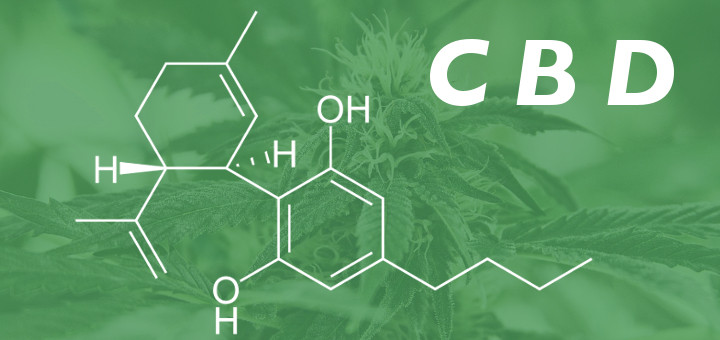
When you think of the composition of cannabis, the first thing that typically comes to mind is THC or tetrahydrocannabinol. THC is the main psychoactive chemical compound found in marijuana. It was first discovered in 1964 by an Israeli chemist by the name of Raphael Mechoulam. At the time it was a big discovery in the cannabis field as marijuana can typically contain 20% or more THC.
While THC is one of the most prevalent chemicals found in cannabis, there are over 400 others. And over 100 of those compounds are considered to be cannabinoids or CBDs. These cannabinoids are typically complex chemical compounds which by activating cannabinoid receptors in the endocannabinoid system alter neurotransmitter release in the brain. Many of these cannabinoids effects on humans are largely undocumented, however, the most widely found CBD known as cannabidiol has been researched to an extent.
Due to the fact that strains with higher percentages of THC typically get you higher than strains with lower percentages, most growers breed their plants to produce more THC than other chemicals found in cannabis. Some strains such as girl scout cookie, if grown properly can yield over 28% THC. Strains like girl scout cookie are perfect for recreational users trying to get a good buzz, but what about medical patients just looking to take their medicine?
While THC has been documented to be beneficial for multiple disorders and ailments, the same could be said twofold for its counterpart, cannabidiol. Cannabidiols reduce nausea, suppress seizures, reduce inflammation, fights cancer cells, relieves anxiety, and the list just goes on. In addition to having exciting potential medical benefits, it also has the added bonus of being completely nonpsychoactive. It doesn’t matter how much of the stuff you take, it won’t get you high. This is definitely a plus when it comes to being prescribed by doctors as typically health professionals prefer treatments with fewer side effects.
Due to cannabidiols having prominent medical uses, many have tried to breed cannabis strains with higher percentages of cannabidiols. While typically strains with high percentages of CBDs usually fall around the 4% mark, a few seem to rise above the rest. One such notable strain would be Harlequin, when grown properly it can yield 8-16% CBDs and usually only 4-7% THC. A strain like this is perfect for someone looking to take CBDs purely for medical reasons and isn’t looking to actually get high.
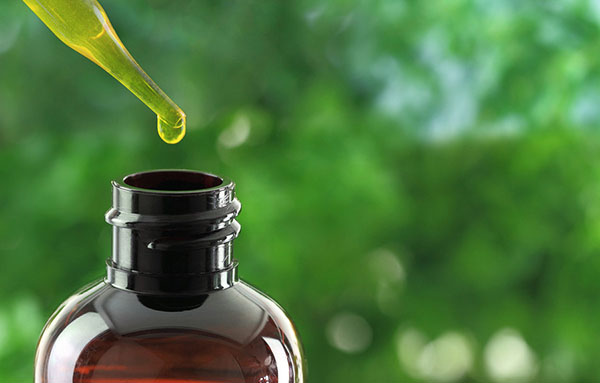
However, a new form of ingesting CBDs has been on the rise recently. You may have seen it on the shelves of your local smoke shops or when perusing amazon (yes you can actually buy this stuff on amazon). While typically CBDs are derived from cannabis, you can make CBD oil derived purely from hemp. Hemp is an ideal plant to extract CBDs from as it contains almost no THC. Although, CBD oil derived from hemp is subject to some question as the conditions in which it’s extracted and concentrated aren’t always ideal. There have been mixed reports on non-cannabis derived CBD oils, while some say it works wonders and others saying it’s baloney, the only thing left to do is try it yourself!
Despite having many widely known medical uses cannabidiols remain to be illegal and are classified as a schedule 1 drug by the DEA. According to DEA spokesman Russ Baer “Under U.S. law (the CSA), the definition of marijuana includes all parts the cannabis plant that are the source of cannabinoids. The CSA definition of marijuana also includes “every compound, manufacture, salt, derivative, mixture, or preparation” of such parts of the cannabis plant – and CBD produced from the cannabis plant clearly falls within this category.”