THC Blood Levels and DUIs

While typically when you think of someone getting a DUI (driving under the influence) you assume they were under the influence of alcohol. However, it’s also illegal to drive under the influence of marijuana in all 50 states. Now, this is where things start to get a little more confusing.
You can easily perform a controlled study that demonstrates when you’re blood levels reflect a certain alcohol percentage (.08%) you are more likely to get in a car accident. It is on the other hand much harder to measure and set standards for marijuana usage as the amount of THC in your blood does not always actively reflect how impaired/high you are. Marijuana metabolites can remain in your fat cells even months after smoking. In addition to this, medical patients who smoke frequently can have higher levels of THC in their blood than someone who just smoked.
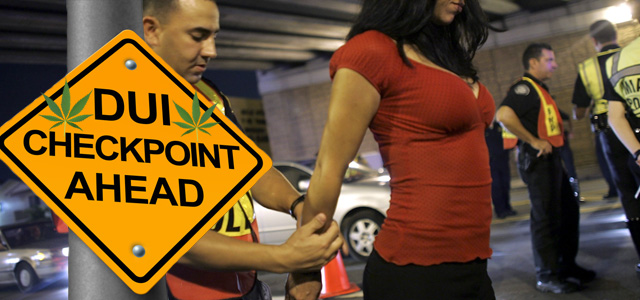
Despite the fact that testing blood levels for THC percentages is not an accurate way to determine if someone is impaired or not, many states still use it as a deciding factor when it comes to issuing DUIs. Currently, there are over 10 states that have their acceptable THC levels set to zero nanograms (one billionth of a gram) per milliliter of blood. Meaning if you have any THC in your blood at all, you can be issued a DUI, even if you haven’t smoked in weeks. In cases such as this, a prosecutor will not have to provide any other evidence besides showing your THC blood levels exceeded the legal limit. This is of course relatively unlikely, as a cop most likely won’t give you a blood test if you aren’t actually impaired/driving poorly.
However, other states still have different laws regarding the subject. Many states also have laws that let cops simply infer that you are under the influence of marijuana based on your actions and behavior instead of basing it solely on THC blood level percentages.
Other states still will use a mixture of examining THC blood levels and inference based on your actions and behavior. In Colorado, for example, a blood test must show that you have over 5 nanograms of THC per milliliter of blood to be convicted of a marijuana-related DUI. Also, even if your blood does exceed the limit, you aren’t automatically convicted. There has to be other evidence suggesting you are impaired such as poor driving, etc.
It also seems important to note that while 28 states currently have legal medical marijuana, it is still illegal to drive under the influence of the substance. This can be especially tricky if you live in a state that has a zero tolerance policy when it comes to THC in blood levels. The reason being if you’re a medical marijuana patient it’s likely there is some percentage of THC in your blood any time you drive. Ultimately, most states are going to have different laws regarding DUIs and marijuana, click here to find out specifics about your state.