Cannabis and Food: The Science of THC Cooking
Cannabis and food have become closely connected in modern weed culture. Today, many people enjoy THC edibles like gummies, brownies, chocolates, drinks, and baked goods. But cooking with cannabis is much more than simply mixing weed into food.
There is real science behind THC cooking. Heat, fat, chemistry, and timing all play important roles in how cannabis edibles work.
Many people are surprised to learn that raw cannabis usually does not create strong psychoactive effects on its own. Before THC can fully work in food, cannabis must go through a special process called decarboxylation.
Understanding the science behind weed cooking helps explain why edibles feel different from smoking and why cannabis food has become so popular.
Did you know that you can buy cannabis products online at Medicineman’s Dispensary. They do not sell Delta-8 or related items. They sell real cannabis with real THC! They also sell vapes, concentrates and other cannabis related products.
What Are THC Edibles?
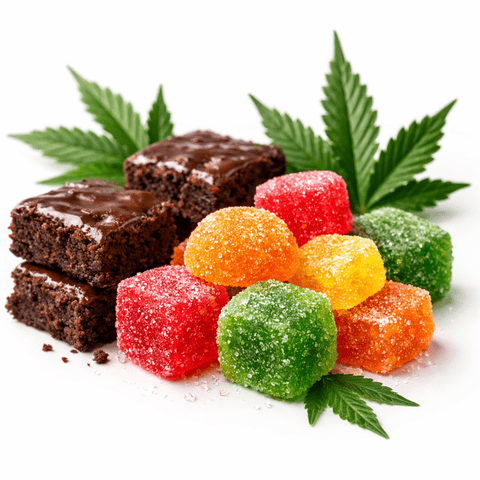
THC edibles are foods or drinks infused with cannabis.
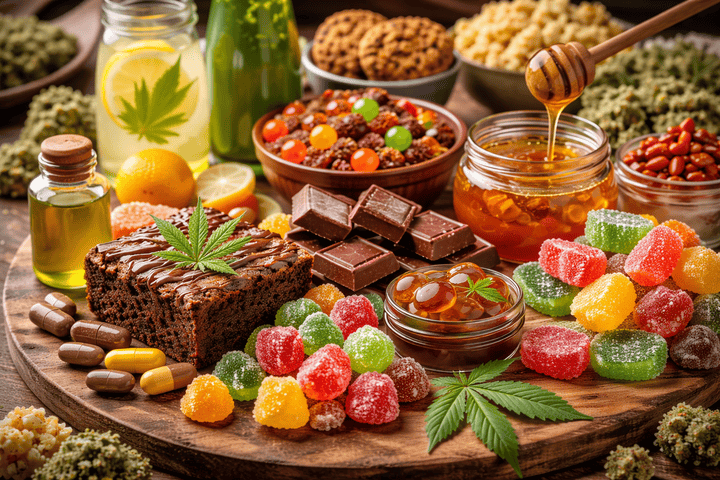
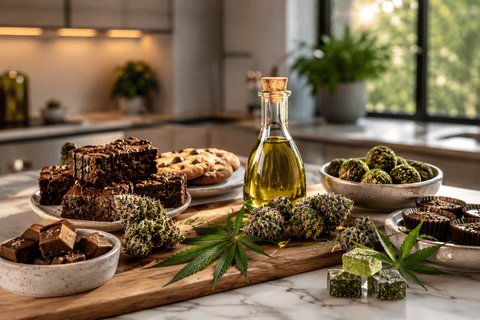
Popular weed edibles include:
- Brownies
- Cookies
- Gummies
- Candies
- Chocolates
- Drinks
- Butter
- Oils
Edibles allow people to consume cannabis without smoking.
Some people prefer THC cooking because they enjoy the food experience, while others simply dislike smoking or vaping.
Cannabis cooking has grown into a huge industry as legal weed markets continue expanding.
What Is THC?
THC stands for tetrahydrocannabinol. THC is the main psychoactive compound found in cannabis.
This is the chemical responsible for the “high” feeling associated with weed.
But raw cannabis plants mainly contain THCA instead of active THC.
THCA does not strongly affect the brain the same way THC does.
To activate THC, cannabis must be heated.
This is where the science of THC cooking begins.
What Is Decarboxylation?
Decarboxylation is one of the most important parts of cooking with weed.
This process happens when cannabis is heated.
Heat changes THCA into active THC.
Without decarboxylation, cannabis edibles may not work properly.
When people smoke weed, the flame instantly activates THC through heat.
But when making edibles, cannabis usually needs to be heated slowly before cooking.
Many people call this process “decarbing” weed.
Why Heat Matters in THC Cooking
Temperature is extremely important when cooking with cannabis.
Too little heat may fail to activate enough THC.
Too much heat may damage cannabinoids and terpenes.
Many weed cooks carefully control temperature to preserve flavor and potency.
The science behind THC cooking involves balancing heat carefully so the cannabis stays effective.
This is why serious cannabis chefs often pay close attention to cooking temperatures.
Why Fat Is Important in Cannabis Cooking
THC is fat-soluble. This means THC binds well with fats and oils.
Because of this, cannabis is often infused into:
- Butter
- Coconut oil
- Olive oil
- Milk
- Cream
Fat helps carry THC into the body during digestion.
This is why cannabis butter, also called cannabutter, became one of the most popular weed cooking ingredients.
Cannabutter can be used in many recipes, including:
- Brownies
- Cookies
- Cakes
- Sauces
- Pasta dishes
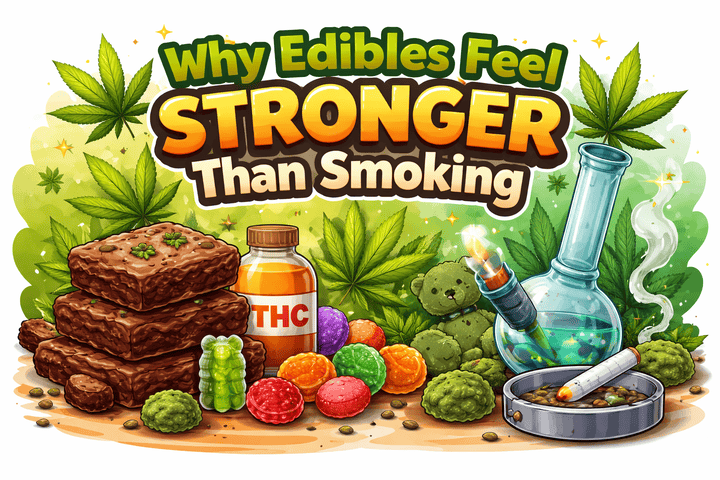
Why Edibles Feel Different From Smoking
Many people notice that edibles feel much stronger and last longer than smoking weed.
This happens because THC is processed differently when eaten.
When smoking cannabis, THC enters the bloodstream quickly through the lungs.
But edibles must travel through the digestive system first.
The liver changes THC into another compound called 11-hydroxy-THC.
This compound may create stronger and longer-lasting effects for some people.
This is one reason why THC edibles can feel very different from smoking weed.
Why Edibles Take Longer to Work
Many beginners make the mistake of eating more edibles too quickly.
Edibles often take:
- 30 minutes
- 1 hour
- 2 hours
to fully kick in.
This delay happens because digestion takes time.
Smoking weed creates faster effects because THC reaches the brain quickly through the lungs.
Cannabis edibles work more slowly but may last much longer.
Patience is important with THC cooking and edibles.
Terpenes and Cannabis Flavor
Terpenes are natural compounds that give cannabis its smell and flavor.
Some terpenes smell like:
- Citrus
- Pine
- Fruit
- Lavender
- Earth
- Herbs
Terpenes can affect how weed tastes in food.
Some cannabis chefs try to preserve terpene flavors during cooking.
This is why some premium edibles have complex flavors beyond just sweetness.
Popular Weed Cooking Ingredients
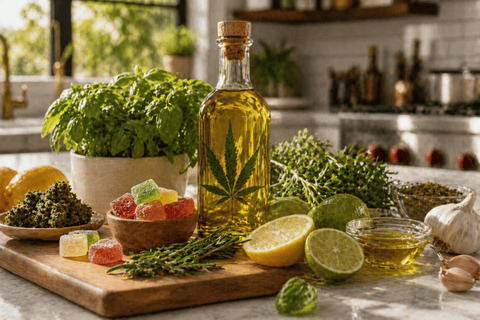
Cannabis chefs now use many ingredients for THC cooking.
Popular infusion ingredients include:
- Butter
- Coconut oil
- Honey
- Syrups
- Olive oil
- Sugar
These infused ingredients can then be added to many foods and drinks.
Modern weed cooking has become very creative.
Today, people make cannabis:
- Pizza
- Pasta
- Ice cream
- Coffee
- Mocktails
- Fine dining meals
Why Weed Cooking Became So Popular
Cannabis food became popular for many reasons.
Some people enjoy the longer-lasting effects of edibles.
Others simply enjoy cooking and experimenting with flavors.
Legal cannabis markets also helped normalize weed cooking culture.
Today, social media is full of:
- Cannabis recipes
- Edible tutorials
- THC cooking videos
- Weed baking ideas
Cannabis cooking has become a hobby for many adult weed users.
The Rise of Professional Cannabis Chefs
As legal weed markets expanded, professional cannabis chefs became more common.
Some chefs now specialize in high-end cannabis dining experiences.
Luxury cannabis dinners may include:
- THC-infused appetizers
- Cannabis desserts
- Infused drinks
- Carefully measured doses
These experiences combine food science with cannabis culture.
Some cannabis chefs focus heavily on flavor, while others focus on balancing THC effects carefully.
Did you know that you can buy cannabis products online at Medicineman’s Dispensary. They do not sell Delta-8 or related items. They sell real cannabis with real THC! They also sell vapes, concentrates and other cannabis related products.
Why Dosing Matters
Dosing is one of the most important parts of THC cooking.
Too much THC can create an uncomfortable experience for some people.
Many cannabis products now include labeled THC amounts to help users better understand potency.
Beginners often start with lower THC doses before trying stronger edibles.
Proper dosing helps people enjoy cannabis food more safely and comfortably.
Cannabis Drinks and THC Beverages
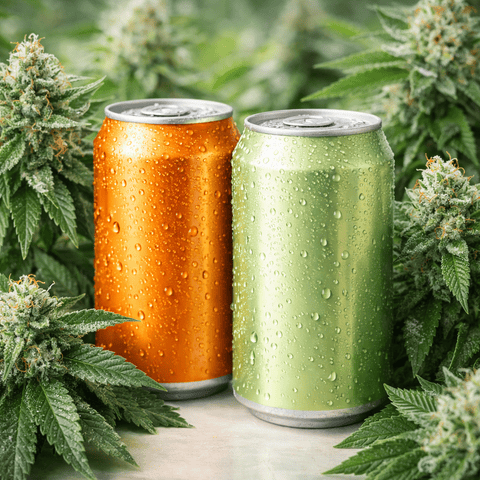
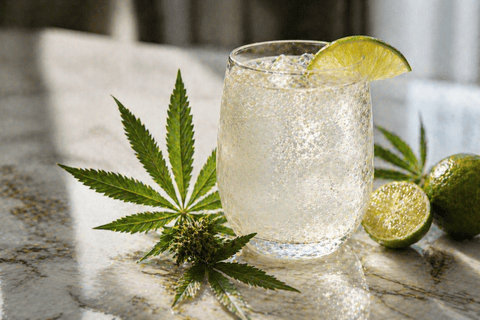
THC drinks are one of the fastest-growing parts of the cannabis industry.
Today, weed beverages include:
- Sparkling drinks
- Teas
- Sodas
- Mocktails
- Coffee drinks
Scientists continue developing new infusion methods that help THC mix better with liquids.
This part of cannabis science is growing quickly.
Why Smell and Taste Matter in Weed Cooking
Flavor is extremely important in cannabis food.
Some people enjoy strong weed flavor, while others prefer mild tastes.
Cannabis chefs often combine weed with ingredients like:
- Chocolate
- Mint
- Citrus
- Vanilla
- Coffee
- Herbs
These flavors can complement natural cannabis aromas.
Premium edibles often focus on both flavor and experience.
The Future of Cannabis Cooking
Cannabis cooking continues changing every year.
Future weed food trends may include:
- Gourmet edibles
- Health-focused cannabis meals
- Low-dose products
- Fast-acting edibles
- Luxury cannabis dining
- THC wellness beverages
As legalization expands, cannabis food science will likely continue growing.
Scientists and chefs are still discovering new ways to improve weed cooking.
Why People Enjoy Cannabis and Food Together
Food and cannabis naturally connect because both involve taste, smell, comfort, and relaxation.
Some people enjoy cooking with weed because it feels creative and social.
Others enjoy the long-lasting edible experience.
Cannabis cooking also allows people to enjoy weed without smoking.
This flexibility helped make THC edibles one of the biggest parts of the modern cannabis industry.
Final Thoughts
Cannabis and food have become deeply connected through the science of THC cooking. Heat, fat, chemistry, digestion, and timing all affect how weed edibles work.
Decarboxylation activates THC, fats help carry cannabinoids, and digestion changes how edibles affect the body.
As cannabis legalization grows, THC cooking continues becoming more creative and advanced.
From brownies and gummies to luxury cannabis dinners, weed cooking has evolved into a huge part of modern cannabis culture.
SEO Phrases
- Cannabis and food
- THC cooking science
- weed edibles explained
- cannabis cooking guide
- how THC cooking works
- decarboxylation explained
- cooking with weed
- cannabis edibles
- THC and food science
- cannabutter recipes
- cannabis infused food
- THC edibles effects
- weed cooking tips
- cannabis and digestion
- THC edibles science
- why edibles feel stronger
- cannabis butter
- weed food recipes
- cannabis chefs
- THC drinks
- cannabis beverages
- cooking cannabis safely
- weed cooking temperatures
- cannabis food culture
- science behind THC edibles