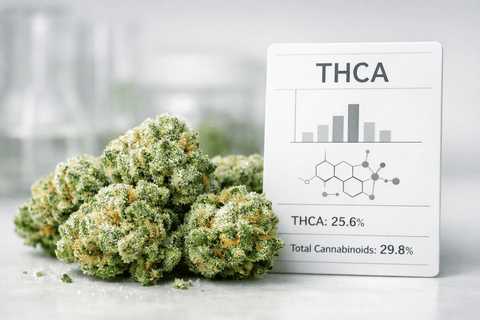
Federal Cannabis Rescheduling: What Schedule III Could Change

Federal weed policy may be heading toward a big shift. For many years, marijuana has been listed in Schedule I under the federal Controlled Substances Act. That is the same category used for drugs the government says have no accepted medical use and a high abuse potential. In 2023, the U.S. Department of Health and Human Services recommended moving marijuana to Schedule III. In 2024, the Department of Justice proposed that change. But the process has not been finalized. A DEA hearing was scheduled, then postponed in January 2025, and the issue still appears unresolved as of early April 2026.
So what does that mean for weed businesses, patients, doctors, researchers, and regular people?
A lot of people hear the words federal cannabis rescheduling and think it means weed would become fully legal everywhere. That is not what Schedule III would do. It would still be a controlled substance under federal law. But it could still bring some very important changes.
In this guide, we will explain Federal Cannabis Rescheduling: What Schedule III Could Change in plain language. We will look at taxes, research, medicine, business rules, and what probably would not change right away.
Did you know that you can buy cannabis products online at Medicineman’s Dispensary. They do not sell Delta-8 or related items. They sell real cannabis with real THC! They also sell vapes, concentrates and other cannabis related products.
What Is Federal Cannabis Rescheduling?
Federal cannabis rescheduling means moving marijuana from one federal drug schedule to another.
Right now, marijuana is in Schedule I. Under the DOJ proposal, it would move to Schedule III. The proposed rule says marijuana would shift from Schedule I to Schedule III because HHS found that it has a currently accepted medical use and fits better in Schedule III than Schedule I.
This matters because the federal schedules affect how the government treats a substance. They can shape rules for science, medicine, taxes, and criminal law.
Many people search for terms like:
- federal cannabis rescheduling
- Schedule III marijuana
- weed rescheduling explained
- what Schedule III could change
- marijuana rescheduling news
Those searches all come back to one big question: Would moving weed to Schedule III make a real difference?
The answer is yes, but not in every way people think.
Schedule I vs Schedule III: What Is the Difference?
To understand federal weed rescheduling, it helps to look at the difference between Schedule I and Schedule III.
Schedule I is the strictest category. It is used for drugs the federal government says have no accepted medical use and a high potential for abuse.
Schedule III is lower. It is used for drugs with a lower abuse potential than Schedule I or II, and it recognizes accepted medical use. The recent AP and Reuters reporting on the proposal described Schedule III as the category that includes drugs like ketamine and some anabolic steroids.
That does not mean weed would suddenly be treated just like any normal over-the-counter product. It would still be controlled. It would still face federal rules. But the government would no longer be saying, at least on paper, that marijuana has no accepted medical use. That would be a major change.
Why Is Schedule III Such a Big Deal?
Schedule III could matter for one simple reason: federal law touches many parts of the weed industry.
Even though many states allow medical or adult-use marijuana, federal law still creates big problems. State-legal weed businesses often deal with heavy taxes, research barriers, and legal uncertainty because marijuana is still federally controlled. Reuters noted that a move to Schedule III could ease research barriers and remove the tax burden from Internal Revenue Code section 280E, though the rulemaking process is still subject to delay and legal challenges.
That is why people in the industry keep asking about what Schedule III could change.
It may not fix everything. But it could change some of the biggest pain points.
One of the Biggest Possible Changes: Taxes and 280E
For many weed businesses, the biggest possible change is taxes.
There is a section of the tax code called 280E. It says businesses trafficking in Schedule I or Schedule II controlled substances cannot take many normal business tax deductions. In the DOJ proposed rule, the agency itself pointed to section 280E as a major area where Schedule III could have a significant economic impact because 280E applies to Schedule I and II, not Schedule III.
That means if marijuana moved to Schedule III, many state-licensed weed businesses could likely deduct ordinary business expenses that they cannot deduct now. This could be huge.
Think about normal business costs like:
- rent
- payroll
- marketing
- utilities
- office expenses
- many other everyday costs
Right now, many weed companies pay much heavier tax bills because of 280E. If Schedule III takes marijuana out of that rule, it could improve cash flow and help some businesses stay alive.
This is one reason Schedule III marijuana tax relief is such a big topic. For many businesses, taxes are the first thing they think about when they hear federal cannabis rescheduling.
Could Schedule III Help Medical Research?
Yes, this is another major area.
For years, researchers have said federal restrictions made weed research harder. Reuters and AP have both reported that rescheduling could open the door to more research and medical study.
If marijuana moves to Schedule III, researchers may face fewer federal roadblocks than they do under Schedule I. That could help scientists study questions like:
- how weed affects pain
- how it affects sleep
- how it affects nausea
- how different cannabinoids work
- what the risks may be
- what doses may be useful in medical settings
More research could help patients, doctors, and lawmakers make better decisions.
This is one of the most important possible changes because better science can shape everything else. When people search Schedule III weed research, this is what they mean.
Did you know that you can buy cannabis products online at Medicineman’s Dispensary. They do not sell Delta-8 or related items. They sell real cannabis with real THC! They also sell vapes, concentrates and other cannabis related products.
Would Doctors Be Able to Prescribe Weed?
This is where things get more complicated.
A lot of people think Schedule III would mean doctors could instantly start writing normal prescriptions for weed flower sold in dispensaries. That is probably not how it would work.
The DOJ proposal says marijuana would still be subject to the Federal Food, Drug, and Cosmetic Act. It also says that drugs containing marijuana would still need FDA approval to be lawfully introduced into interstate commerce, unless an investigational exemption applied. The proposed rule also noted that, to date, FDA had not approved drugs containing a substance within the CSA definition of marijuana. Reuters said something similar in April 2026: even if reclassified, cannabis would still need FDA approval, which common marijuana flower products do not currently have.
So, Schedule III could help support medical recognition and future drug development, but it would not automatically turn every state dispensary product into a standard prescription drug.
That is a very important part of Federal Cannabis Rescheduling: What Schedule III Could Change. It could change the medical conversation, but not all at once.
Would Weed Become Federally Legal?
No. Not by itself.
This is one of the biggest myths.
The DOJ proposal is very clear that if marijuana moved to Schedule III, the manufacture, distribution, dispensing, and possession of marijuana would still remain subject to applicable criminal prohibitions under the Controlled Substances Act. AP also reported that rescheduling would not make recreational marijuana legal under federal law.
So if you are asking, Does Schedule III legalize cannabis federally? the answer is no.
That means:
- adult-use weed would not suddenly become legal in all 50 states
- state and federal law could still conflict
- marijuana businesses would still face limits
- there would still be many unanswered legal questions
Schedule III would be a big federal change, but it would not be full legalization.
Could Schedule III Help Weed Businesses Grow?
It could.
If businesses get tax relief from 280E, that alone could be huge. More money could stay in the business instead of going to taxes. That might help companies hire workers, improve stores, invest in safety, or survive during hard times.
Schedule III could also make some investors feel more comfortable. When federal policy moves even a little, it can change how people see risk in the market.
But there is a catch.
Because marijuana would still be federally controlled, many business problems could remain. Banking, interstate trade, and state-by-state legal differences may still be messy. Reuters has noted that meaningful impact may take years without further legislative or regulatory action.
So the better answer is this: Schedule III could help weed businesses, but it would not fix every problem overnight.
Could Schedule III Change Banking?
Maybe a little, but not in a simple way.
A lot of people hope federal rescheduling would make banks much more open to serving weed businesses. It might help the overall mood around the industry. It might reduce some fear. Some AP reporting has suggested the change could improve access to banking services.
Still, banking rules are complicated. Because marijuana would still remain federally controlled, many banks would likely still move carefully. Schedule III might improve the business environment, but it would probably not solve banking by itself.
So if you are searching Schedule III cannabis banking, the honest answer is: it could help, but it is not a magic fix.
Could It Change Criminal Penalties?
Possibly in some ways, but not as much as full legalization would.
Reuters reported in 2024 that reclassifying marijuana could lead to lighter criminal penalties and narrow the gap between state and federal law.
That said, the DOJ proposal also says marijuana would still be subject to federal criminal prohibitions. So while the move could change how the government classifies weed, it would not erase all federal criminal risk.
This is another reason people should be careful with headlines. Federal cannabis rescheduling sounds huge, and it is huge, but it is not the same thing as decriminalization or legalization.
Why the DEA Hearing Matters
The process is not done just because agencies proposed it.
In May 2024, DOJ published the proposed rule. In August 2024, DEA said it would hold a hearing. Then in January 2025, DEA announced the hearing had been postponed pending an appeal in the proceedings. Recent reporting in 2026 still describes the process as unfinished and subject to delays.
That is why many articles now use words like:
- proposed cannabis rescheduling
- pending marijuana rescheduling
- Schedule III not finalized
- DEA marijuana rescheduling hearing
Those phrases matter because they remind readers that this is still a live issue, not a finished one.
What Probably Would Not Change Right Away
This may be the most important part of the article.
If Schedule III happens, some people will expect everything to change overnight. That is not likely.
Here is what probably would not change right away:
1. Weed would not become fully legal nationwide
Rescheduling is not the same as legalization. Federal criminal prohibitions would still exist.
2. Dispensary products would not instantly become FDA-approved medicines
FDA approval is still a separate process.
3. State laws would still matter
Every state has its own weed rules. Schedule III would not erase that patchwork overnight.
4. Business problems would not all disappear
Taxes may improve, but banking, interstate sales, and regulation would still be complicated.
That is why the best way to think about Schedule III is this: important, but not total.
Why This Story Matters So Much
The reason this topic gets so much attention is simple. Federal marijuana policy shapes the whole industry, even in states where weed is already legal.
A move to Schedule III would be one of the biggest federal weed policy changes in modern U.S. history. It would signal that the federal government no longer sees marijuana the same way it has for decades. HHS recommended the change, DOJ proposed it, and major news outlets continue to describe it as a meaningful step even though it is not yet final.
That is why people keep asking about Federal Cannabis Rescheduling: What Schedule III Could Change. The answer is not just one thing. It touches taxes, science, medicine, business, and law all at once.
Final Thoughts
So, what could Schedule III change?
It could help weed businesses by ending the 280E tax problem. It could make research easier. It could support future medical development. It could improve how investors, doctors, and the public think about marijuana under federal law.
But it would not mean full federal legalization. It would not instantly turn dispensary products into FDA-approved prescriptions. And it would not erase every conflict between state and federal law.
As of April 4, 2026, the proposal still appears to be unfinished. That means Schedule III remains a possible major shift, not a completed one.
In plain English, here is the bottom line:
Schedule III could change a lot, especially taxes and research. But it would not change everything.
That is why this story matters so much in the weed world. It is not the finish line. But it could be a very big step.
SEO Phrases
Federal Cannabis Rescheduling
Federal Cannabis Rescheduling: What Schedule III Could Change
Schedule III marijuana
Schedule III weed
federal weed rescheduling
marijuana rescheduling explained
what Schedule III could change
weed rescheduling explained
DEA marijuana rescheduling
proposed cannabis rescheduling
pending marijuana rescheduling
Schedule III not finalized
Schedule III cannabis taxes
280E marijuana tax relief
Schedule III weed research
does Schedule III legalize cannabis federally
federal marijuana rescheduling news
what happens if marijuana moves to Schedule III
weed Schedule I vs Schedule III
federal cannabis policy change
marijuana Schedule III effects
Schedule III cannabis business impact
weed rescheduling tax benefits
federal marijuana reform
marijuana rescheduling 2026