Weed and Sleep: What Recent Research Says
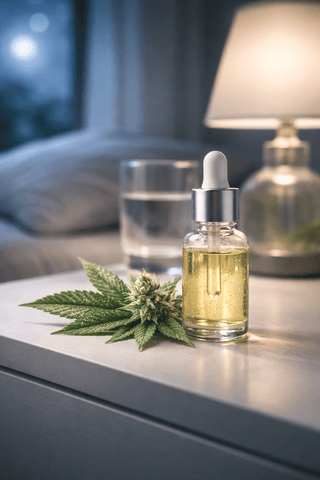
A lot of people use weed because they hope it will help them sleep. Some want to fall asleep faster. Some want to wake up less in the night. Some just want a calm feeling before bed.
So, does weed really help with sleep?
The honest answer is: sometimes, maybe, but the research is mixed. Some studies suggest some people may feel short-term sleep benefits. Other studies show problems like lighter sleep quality, changes in sleep stages, or sleep trouble when heavy use stops. Sleep experts also say the evidence is still limited for using cannabis products as a routine treatment for sleep disorders.
That means weed and sleep is not a simple story. It is not just “good” or “bad.” It depends on the product, the dose, how often a person uses it, and what kind of sleep problem they have.
In this guide, we will break down Weed and Sleep: What Recent Research Says in plain language. We will look at what recent studies say about falling asleep, staying asleep, sleep quality, REM sleep, sleep disorders, and what happens when frequent weed use stops.
Did you know that you can buy cannabis products online at Medicineman’s Dispensary. They do not sell Delta-8 or related items. They sell real cannabis with real THC! They also sell vapes, concentrates and other cannabis related products.
Why People Use Weed for Sleep
Many people say they use weed because it helps them relax at night. Some say it makes them sleepy. Others say it helps quiet their mind before bed. The American Academy of Sleep Medicine noted in 2024 that many people report using cannabis to help them fall asleep and stay asleep, even though the evidence behind that habit is still limited.
This helps explain why search terms like these are so common:
- weed and sleep
- does weed help you sleep
- cannabis for insomnia
- THC and sleep
- recent research on weed and sleep
People want a clear answer. But the science still gives a mixed one.
What Some Studies Say About Falling Asleep
Some research suggests that some cannabis products may help some people fall asleep faster, at least in the short term. A 2025 pilot trial of a hemp-based supplement that included CBD, CBN, THC, and terpenes reported improvements in sleep quality and some other health measures compared with placebo in adults with subthreshold insomnia symptoms.
Other small trials have found more modest results. A 2024 randomized controlled pilot trial of 150 mg CBD in adults with primary insomnia found that CBD did not significantly improve the main insomnia severity measure compared with placebo, though the study reported some improvements in well-being and some sleep-related measures.
A 2024 trial of a combined oral oil with THC and CBD in adults with insomnia looked at “next day” effects and found no notable next-day impairment more than 9 hours after treatment, but that study was not proof that weed is a broad sleep cure. It was a specific product in a controlled setting.
So, one simple way to say it is this: some small studies show possible short-term help for some people, but the results are not strong enough yet to say weed is a proven sleep fix for everyone.
What Recent Research Says About Sleep Quality
This is where things get more interesting.
Some people feel that weed helps their sleep. But feeling better sleep is not always the same as getting better sleep when it is measured in a study.
A 2024 study in the Journal of Clinical Sleep Medicine looked at self-reported cannabis use close to bedtime and also checked cannabinoid metabolites. It found that cannabis use near sleep, frequent use, and THC metabolite presence were linked with small but statistically significant increases in wake time after sleep onset, longer REM latency, and lower sleep efficiency. The authors said cannabis did not appear to have a beneficial impact on sleep architecture overall.
That matters because sleep architecture is about how sleep is built. It includes different sleep stages, like REM sleep and deep sleep. A person may say, “I felt sleepy,” but the body’s sleep pattern may still be changed in ways that are not clearly helpful.
A 2024 review on cannabinoids and sleep also said THC may help sleep at first for some people, but long-term use may alter sleep architecture. The same review said CBD may show some promise, but the overall picture is still uncertain and needs more study.
So when people ask, does weed improve sleep quality, the best answer from recent research is: not clearly, and not for everyone.
THC and Sleep: Why It Can Feel Helpful at First
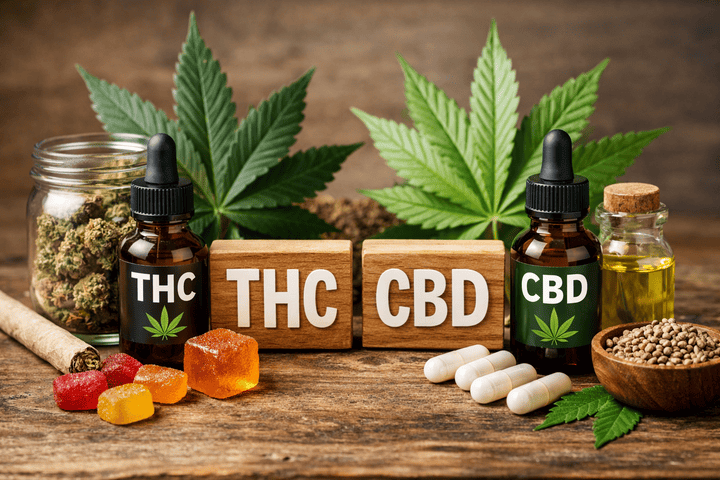
THC is the main part of weed that makes many people feel high. It may also make some people feel drowsy. That is one reason THC and sleep are often linked together.
Some researchers think THC may help some people fall asleep in the short term. But that does not always mean it helps healthy sleep over time. Reviews and recent studies suggest THC may suppress REM sleep or delay REM timing, and longer-term use may change normal sleep patterns.
REM sleep matters because it is part of a normal night of sleep. It is linked with dreaming and may play a role in memory and mood. So if a product changes REM sleep, that can be important.
This is one reason weed can feel like it helps at first while still raising questions in research.
CBD and Sleep: Is It Different?
CBD is different from THC. It does not usually make people feel high in the same way. Many people think CBD is the “calm” cannabinoid and THC is the “sleepy” one, but the real science is more complicated.
A 2024 randomized trial of 150 mg nightly CBD for primary insomnia found no big improvement in the main insomnia score compared with placebo. Another randomized trial found low-dose CBD appeared safe and could improve sleep quality, but its effects did not beat 5 mg melatonin.
That means CBD may help some people in some cases, but recent research does not show a clear, strong win for CBD as a sleep treatment across the board.
So if you are searching CBD for sleep research, the answer is: promising in some small studies, but still not settled.
Weed and Insomnia: What the Research Really Shows
Insomnia means trouble falling asleep, staying asleep, or getting good sleep often enough that it becomes a real problem.
Many people with insomnia are curious about weed. But sleep experts are still cautious. The American Academy of Sleep Medicine said in 2024 that recent reviews and scoping analyses found insufficient evidence to support routine clinical use of cannabinoid therapies for treating sleep disorders.
That does not mean no one feels better after using weed. It means the research is not strong enough yet to say doctors should routinely treat insomnia with cannabis products.
This is an important point. Some people confuse personal stories with strong evidence. Both matter, but they are not the same thing. Right now, for insomnia, the research is still too mixed and too limited for a simple yes.
Frequent Weed Use and Sleep Problems
Another big part of the story is how often a person uses weed.
Some day-level studies suggest weed use can line up with better same-night sleep in some people. But newer research also shows that heavy or frequent use does not always bring the same benefit and may be linked with sleep problems. A 2024 study on bidirectional links between cannabis use and sleep described mixed evidence on whether cannabis helps or disturbs same-night sleep.
The 2024 sleep architecture study also found signs of lower sleep efficiency and more wake after sleep onset with use close to bedtime and with more frequent use.
That means weed may not work the same way for someone who uses it once in a while and someone who uses it often. It also means short-term benefit and long-term patterns may not match.
Did you know that you can buy cannabis products online at Medicineman’s Dispensary. They do not sell Delta-8 or related items. They sell real cannabis with real THC! They also sell vapes, concentrates and other cannabis related products.
What Happens to Sleep When Heavy Weed Use Stops
This is one of the clearest parts of the research.
When heavy or regular weed use stops, sleep problems are common. Research on cannabis withdrawal says symptoms can include insomnia, disturbed sleep, restlessness, irritability, and anxiety. One 2025 review said withdrawal-related sleep problems can become a barrier to stopping use. Another review described cannabis withdrawal as often starting within 24 to 48 hours, peaking within 2 to 6 days, and including disturbed sleep.
A 2023 study on changes in sleep during withdrawal also noted that sleep disturbance is common and may lead people to resume use.
This matters a lot because it can make weed seem more helpful for sleep than it really is. A person may use weed often, then sleep badly without it, and think, “I need this to sleep.” In some cases, that bad sleep may partly be a withdrawal effect. That does not mean everyone will have that problem, but it is a real pattern in the research.
Weed and REM Sleep
REM sleep is one of the most talked-about parts of weed and sleep research.
Recent research suggests THC may affect REM sleep. The 2024 home sleep testing study found longer REM latency, and a 2025 pilot study on oral cannabinoids said a single dose, especially THC, may suppress REM sleep. A 2024 review also said THC may alter sleep architecture over time.
Why does that matter? Because good sleep is not just about being knocked out. Good sleep means moving through normal sleep stages in a healthy pattern. A product that makes someone feel sleepy is not always helping the full quality of sleep.
So if you are searching THC REM sleep research, recent studies suggest there may be real effects, but scientists are still learning what they mean over time.
Weed and Sleep Apnea
This is one area where sleep experts are especially careful.
The American Academy of Sleep Medicine says medical cannabis and its synthetic extracts should not be used for treating obstructive sleep apnea because evidence is not strong enough on safety, tolerability, and effectiveness.
So if someone asks, can weed treat sleep apnea, current sleep medicine guidance says no, not as a recommended treatment.
Did you know that you can buy cannabis products online at Medicineman’s Dispensary. They do not sell Delta-8 or related items. They sell real cannabis with real THC! They also sell vapes, concentrates and other cannabis related products.
Why the Research Is Still Hard to Read
One reason the science feels confusing is that “weed” is not just one thing.
Studies may use:
- THC
- CBD
- mixed THC/CBD products
- different doses
- oral oils
- capsules
- smoked products
- different patient groups
That makes it hard to compare studies side by side. The AASM said the evidence is limited, and a 2025 scoping review also said much of the support for cannabis and sleep still comes from observational studies that often do not report product details or doses very well.
That is why you can see one headline saying weed helps sleep and another saying it hurts sleep. Both may be pulling from different kinds of studies.
What Recent Research Says in Plain English
Here is the plain-English version of Weed and Sleep: What Recent Research Says:
Some people may feel short-term sleep help from weed, especially with falling asleep. Some small trials show possible benefits for certain products. But stronger and newer sleep research still shows mixed results, and expert groups say the evidence is not strong enough to routinely recommend cannabis products for sleep disorders. Frequent use may also change sleep patterns, and stopping heavy use can lead to insomnia and disturbed sleep.
That means the science is not saying, “weed fixes sleep.” It is saying, “some people report benefits, some studies show limited promise, but there are also real downsides and unanswered questions.”
Final Thoughts
Weed and sleep is one of the biggest topics in the cannabis world right now. It makes sense why. Sleep problems are common, and many people want something that feels natural or simple.
But recent research does not give a clean yes.
Some products may help some people in the short term. Some small studies show encouraging signs. But the bigger picture is still mixed. Sleep experts say the evidence is limited. Some studies show worse sleep architecture. Frequent use may bring problems over time, and withdrawal can cause real sleep trouble.
So the best answer to does weed help with sleep is this:
Maybe for some people, sometimes, but recent research says it is not a simple or proven fix.
SEO Phrases
Weed and Sleep: What Recent Research Says
weed and sleep
does weed help you sleep
weed for sleep
cannabis and sleep research
recent research on weed and sleep
THC and sleep
CBD and sleep
weed and insomnia
can weed help insomnia
does THC help sleep
does CBD help sleep
weed sleep quality
cannabis sleep quality
weed and REM sleep
THC REM sleep research
frequent weed use and sleep
weed withdrawal insomnia
sleep problems after quitting weed
cannabis sleep study
medical weed for sleep
weed and sleep disorders
sleep research cannabis
does cannabis improve sleep
does weed make sleep worse