What’s Happening With Hemp-Derived THC in 2026?
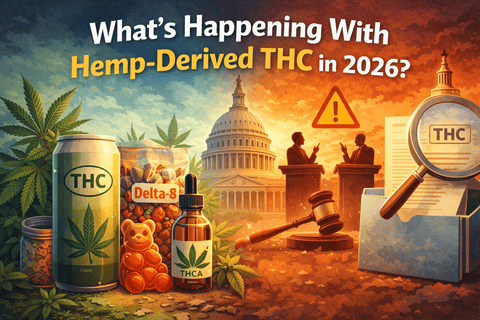
Hemp-derived THC is one of the biggest weed topics in 2026. A few years ago, many people had never heard of delta-8, hemp THC drinks, or THCA flower. Now these products are sold in many places, debated in statehouses, and watched closely by federal agencies. The big story in 2026 is simple: the market grew fast, but the rules are getting tighter.
A lot of the confusion started because the 2018 Farm Bill drew a legal line around hemp using delta-9 THC. That opened the door for a big market in products made from hemp-derived cannabinoids, including intoxicating products that many people felt acted a lot like regular weed products. In late 2025, Congress changed that federal definition, and those changes are set to take effect in November 2026 unless lawmakers change course first.
So what is really happening with hemp-derived THC in 2026? The short answer is this: federal law is moving toward a much stricter standard, states are all over the map, regulators are still worried about safety and child exposure, and businesses are scrambling to figure out what survives and what does not.
Did you know that you can buy cannabis products online at Medicineman’s Dispensary. They do not sell Delta-8 or related items. They sell real cannabis with real THC! They also sell vapes, concentrates and other cannabis related products.
What Is Hemp-Derived THC?
Hemp-derived THC usually means THC or THC-like compounds made from hemp, not from federally illegal marijuana. These products may include delta-8 THC, delta-10 THC, hemp-derived delta-9 THC, and products built around THCA. Many of them became popular because the old federal hemp definition focused on delta-9 THC by dry weight, which left room for other cannabinoids and product formats to spread.
That is why the hemp market got so big so fast. People saw products that were sold as hemp, but that could still be intoxicating. Some were gummies. Some were drinks. Some were vapes. Some looked a lot like regular flower. To shoppers, the label said hemp. To regulators, the harder question was whether these products really fit the spirit of hemp law.
This is one reason the phrase hemp-derived THC in 2026 matters so much. It is not just about one product. It is about a whole group of products that grew inside a legal gap and are now facing a major reset.
The Biggest Federal Change in 2026
The biggest federal story is the new hemp definition that was enacted in the FY2026 Agriculture Appropriations Act and is scheduled to take effect 365 days after enactment, on November 12, 2026. A Congressional Research Service summary says the law changes the federal hemp definition and will likely affect growers, products, and USDA policy.
The new framework does two very important things. First, it moves from a delta-9-only focus toward a total THC standard. Second, it imposes a 0.4 milligram total THC per container cap for finished hemp-derived cannabinoid products intended for human or animal use. Legal analyses and industry reporting say that approach would wipe out most intoxicating hemp products now on the market if it goes into effect as written.
That is why so many hemp businesses are worried in 2026. Popular categories such as delta-8 products, many hemp-derived delta-9 edibles and drinks, and THCA-heavy products may not fit under the new standard. Even some full-spectrum products could be affected.
Has Congress Changed Its Mind Yet?
As of April 1, 2026, there is still a big fight over whether Congress will soften, delay, or reverse the coming November 2026 restrictions. The House Agriculture Committee advanced its 2026 Farm Bill in March, but industry reporting says it did not include relief from the looming hemp THC crackdown.
There has been at least one effort to buy more time. In January 2026, Rep. Jim Baird introduced the Hemp Planting Predictability Act to extend the timeline on the restrictive hemp provision by two years. That shows there is still active lobbying and legislative pressure, but it does not mean the law has changed yet.
So one of the truest answers to what’s happening with hemp-derived THC in 2026 is uncertainty. The crackdown is on the calendar, but the politics are still moving. Businesses are operating in a wait-and-see market.
Why 2026 Feels So Unstable
The market feels unstable because three different systems are colliding at once.
The first is federal hemp law. The second is state law. The third is FDA product safety law. A product might fit one part of the picture and fail another. That is why the same hemp THC item can seem acceptable in one setting and risky in another.
FDA has kept saying that products containing cannabis-derived compounds are still subject to FDA rules, and the agency has repeatedly warned that it has not approved delta-8 THC products for safe use. FDA also says it knows of no basis to conclude that cannabinoids are lawful food additives or generally recognized as safe for food use in the ways many companies market them.
That means 2026 is not just a weed law story. It is also a product-law story. Even when a company points to hemp rules, FDA may still see problems with food, beverages, claims, packaging, or safety.
States Are Not Following One Simple Rule
Another big reason hemp-derived THC is messy in 2026 is that states keep making their own rules. NCSL says at least 47 states regulate the cultivation, processing, and sale of industrial hemp or cannabis products, and those state definitions and limits do not all match.
Texas is a strong example. As of March 31, 2026, new Texas rules significantly tightened the hemp market. Reporting says smokable THC products, including THCA-heavy flower and other popular products, are now banned there, with stricter packaging, labeling, testing, and age restrictions.
Georgia is another example of the patchwork. Reporting on April 1, 2026 said Georgia lawmakers were considering tighter controls on synthetic hemp products, while one proposal would limit delta-9 THC in beverages to 5 milligrams per serving and restrict sales to liquor stores.
So if someone asks, is hemp-derived THC legal in 2026, the honest answer is: federally, major restrictions are set for November 2026 unless changed; at the state level, the rules already vary a lot; and FDA still has separate concerns about many of these products.
What Products Are Most Affected?
The products most affected are the ones that helped build the market in the first place.
Delta-8 THC
Delta-8 became one of the best-known hemp intoxicants. FDA says delta-8 THC is psychoactive, has not been evaluated or approved by FDA for safe use, and is often made from hemp-derived CBD because it does not occur naturally in large amounts.
THCA flower
THCA-heavy flower drew attention because it looked and felt close to regular weed flower in many people’s eyes, while being sold under hemp labels. The shift to a total THC standard is especially important here because it closes much of the room that THCA products had under a delta-9-only rule.
Hemp THC drinks
This category has been one of the fastest-growing parts of the market. Beverage-industry reporting said U.S. cannabis beverage sales were projected to reach $2.8 billion by 2028, and 2026 coverage shows major retailers and alcohol groups are paying close attention to low-dose hemp THC drinks.
These drinks are a big part of the 2026 story because they became mainstream faster than many people expected. But they are also directly threatened by the upcoming federal per-container THC cap unless Congress changes the law.
Why Beverages Became So Important
Hemp THC drinks matter because they brought intoxicating hemp into a very visible retail setting. Drinks feel familiar. They are easy to dose compared with some other products. They also fit into social spaces where people already understand beverage choices. That helped the category grow.
But that same visibility also brought more pressure. Once hemp THC drinks started showing up in larger retail channels and getting attention from alcohol-industry groups, lawmakers took them more seriously. In 2026, some lobbying is aimed not at saving the category exactly as it is, but at moving it into a stricter system instead of banning it outright.
So a key part of hemp-derived THC trends in 2026 is that beverages are both a success story and a target. They show how far the market came, and how vulnerable it now is.
Safety Is a Big Part of the 2026 Story
The 2026 story is not only about legality. It is also about safety.
FDA has warned consumers about accidental ingestion of THC-containing edible products by children. The agency says accidental ingestion may cause serious adverse events. FDA and FTC also sent warning letters in 2024 to companies selling delta-8 THC edibles in packaging that looked like foods children eat.
FDA also says it received more than 300 adverse event reports involving delta-8 THC products from 2021 through 2023, with nearly half involving hospitalization or emergency department visits and about two-thirds following ingestion of delta-8 food products such as candy or brownies.
This matters because the hemp THC market often grew outside the tightly regulated dispensary systems used by state-licensed marijuana programs. That raised questions about testing, labeling, packaging, age gates, and how easy it was for minors to see or buy certain products.
Why the FDA Still Matters in 2026
Some people think hemp law is the only thing that matters. It is not.
FDA has kept saying that the 2018 Farm Bill did not take away FDA’s power over products containing cannabis or cannabis-derived compounds. The agency treats them like other FDA-regulated products, which means food, beverages, dietary supplements, and health claims still face normal federal rules.
That is why many hemp products ran into problems even before the 2026 federal hemp changes. A product could be called hemp and still face trouble if it was sold as food, marketed with unlawful claims, or packaged in risky ways.
So the 2026 picture is really two stories layered together: Congress is narrowing the hemp lane, and FDA is still policing what can be sold lawfully inside that lane.
What Businesses Are Watching Right Now
In 2026, hemp businesses are watching four things very closely.
First, they are watching Congress to see whether the November 2026 restrictions are delayed or changed. Second, they are watching states because some are tightening rules faster than the federal government. Third, they are watching courts and agency enforcement. Fourth, they are trying to guess which products still have a future under stricter laws.
That has made 2026 a planning year. Companies are trying to avoid being stuck with inventory that may soon fall outside federal law. Local retailers, especially small ones, are also worried about what happens if popular categories disappear or get pushed into a different system.
Did you know that you can buy cannabis products online at Medicineman’s Dispensary. They do not sell Delta-8 or related items. They sell real cannabis with real THC! They also sell vapes, concentrates and other cannabis related products.
What Consumers Are Seeing
Regular shoppers are mostly seeing confusion.
They may see hemp THC products still on shelves in one state but gone in another. They may hear that a federal crackdown is coming, but not know the exact date. They may notice more talk about “total THC,” age limits, testing, and packaging. They may also see more debate around whether certain products belong in smoke shops, liquor stores, dispensaries, or nowhere at all.
That is why hemp-derived THC explained 2026 is such a useful topic. The market is not disappearing overnight today, but it is clearly being pushed toward a much stricter future.
Final Thoughts on What’s Happening With Hemp-Derived THC in 2026
So what is happening with hemp-derived THC in 2026?
The market that exploded under the old hemp rules is now running into a wall. Federal law was changed in late 2025, and unless Congress steps in, those tighter rules take effect on November 12, 2026. The new approach uses total THC and a 0.4 milligram per-container cap, which many observers say would shut down most intoxicating hemp products now sold across the country.
At the same time, states are making their own moves. Texas has already tightened rules sharply. Georgia is debating stricter limits. Other states keep changing packaging, labeling, dosing, and sales rules too.
And above all of that, FDA continues to warn that many of these products are not approved, may be unsafe in the ways they are marketed, and can pose serious risks, especially for children.
That means the real 2026 story is not just growth. It is a reset. Hemp-derived THC got big because the rules left room for it. In 2026, that room is getting smaller.
SEO Phrases
- what’s happening with hemp-derived THC in 2026
- hemp-derived THC in 2026
- hemp THC laws 2026
- hemp-derived THC explained 2026
- federal hemp THC ban 2026
- total THC hemp rule 2026
- 0.4 mg THC per container hemp
- hemp-derived THC legal status 2026
- delta-8 THC laws 2026
- THCA flower law 2026
- hemp THC drinks 2026
- hemp beverage laws 2026
- FDA hemp-derived THC warnings
- hemp-derived cannabinoids 2026
- state hemp THC laws 2026
- intoxicating hemp products 2026
- hemp loophole 2026
- hemp market changes 2026
- total THC standard hemp 2026
- November 2026 hemp law changes